
BATISTEADO is the innovative process developed by INICIATIVAS BATISOLID, S.L. to produce BATISTEN, a material made with BATISOLID CMB42 —European patent application EP20382761.3— for the eco-sustainable development of road infrastructures and platforms. These methods aim to maximize the strength and durability of these infrastructures while simultaneously reducing the environmental impact of each project.
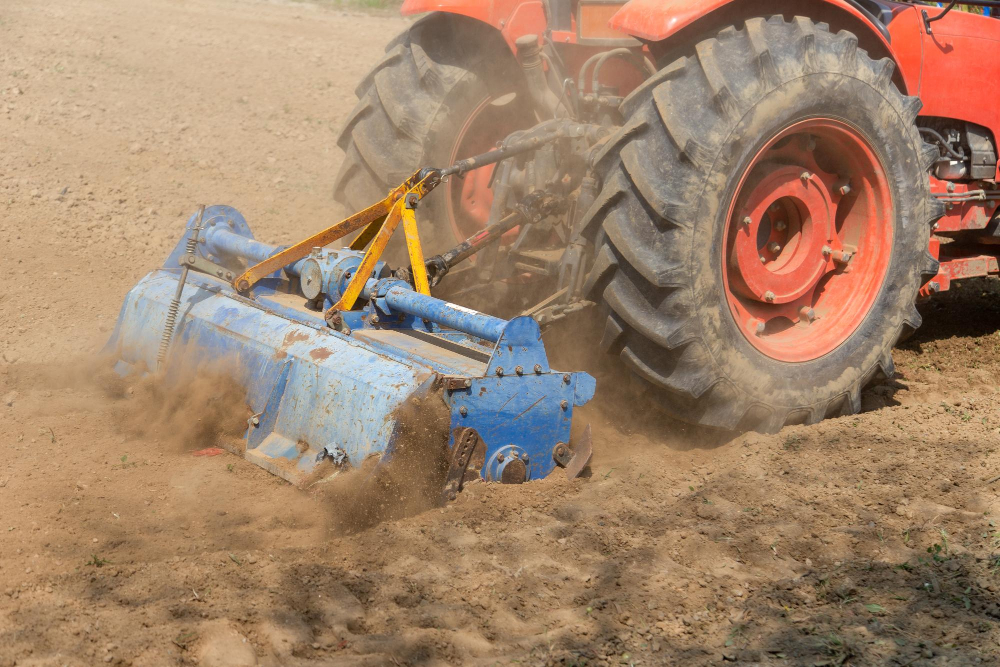
Within this process, Method "A" Rotavating is a technique that utilizes a rotavator, machinery that allows for direct mixing of the BATISOLID CMB42 additive with the ground at the construction site to achieve BATISTEN infrastructures.
Rotavating enables a homogeneous mixture between the additive and the natural soil and subsequently with water, resulting in a stable and durable base for roads and platforms. Additionally, integrating with the local terrain reduces the need to transport additional materials, decreasing the carbon footprint and significantly improving the project's sustainability compared to conventional methods.
Method "A" Rotavating is also noted for its adaptability to various soil types, providing a sustainable, resilient, and flexible solution for road infrastructure projects in diverse environments.
Let's look at some brief and summarized details of its execution based on standard regulations such as PG3:
1. Materials
- Natural or recycled soil materials from the site or nearby areas.
- MIX BATISOLID CMB42 Monocomponent Dry Powder prepared according to the specifications required by the soil and the project management.
- Reinforcement fibres (optional): natural or synthetic, as the regulations establish.
2. Equipment
- As per regulations, rotavator machinery or other required equipment and machinery for physical-chemical stabilization with monocomponent dry preparations, such as MIX BATISOLID CMB42.
- Hand tools for handling and measuring, with quality approved according to regulations.
- Levelling and compacting equipment, adequately calibrated and verified according to regulations.
- Equipment for transporting and applying water according to regulations.
3. Material Dosage
- Determine the appropriate proportions of materials and adjust the amount of water as stipulated in the regulations.
4. Stabilization Process
- Use machinery to mix and stabilize the materials on-site, following the procedures and parameters defined by the regulations.
- Incorporate BATISOLID CMB42 during stabilization, ensuring homogeneous distribution and compliance with standard requirements.
- Incorporate water.
5. Compaction and Leveling
- Level and compact the stabilized mixture with rollers or compaction equipment, following the regulations' guidelines to achieve a uniform and resilient surface. (Note that with BATISOLID CMB42, compaction may be optional.)
- Application of Fibers (Optional)
- If using reinforcement fibres, follow the specific recommendations according to regulations for their incorporation during stabilization.
7. Quality Control
- Tests for strength and durability are conducted according to methods established in the regulations to verify compliance with quality standards.
8. Safety and Environmental Measures
- Implement safety measures at the work site according to the regulations indicated.
- Reduce environmental impact by using recycled materials and proper waste management, per the regulations.
The BATISTEADO process, through physical-chemical stabilization according to Standard PG3, ensures the production of eco-friendly, durable, and high-strength pavements on-site, meeting the established standards and requirements for quality construction projects.
This process should be complemented by the detailed technical specifications of each project and best construction practices.
